
Bathroom Renovation Regrets Mesa Homeowners Can Avoid
Planning a bathroom remodel in Mesa is a conversation about real life and real costs. It’s not a glossy fantasy of marble and rain showers, but a project that touches daily routines, energy use, and how you move through your home every https://mesa-arizona-1.blogspot.com/2023/06/mesa-bathroom-remodeling.html morning. The most painful regrets I hear from homeowners come from shortcuts that seemed small at the time but ended up shaping every week of the renovation and every month after. In my years working as a Phoenix remodeling professional, I’ve watched design choices ripple through budgets, schedules, and even resale value. The good news is that with a careful approach you can avoid the most common missteps and end up with a serene, durable space that serves you well for years.
Understanding the real cost of a bathroom remodel
A wider view of price versus value
Bathroom remodels look simple on a price tag, but the real story lives in the details. In Mesa especially, homeowners often underappreciate the impact of wall thickness, plumbing reroutes, and venting requirements on both budget and schedule. If you focus only on vanity price and tile cost, you miss the bigger picture: fixes you may need to do later, like retiling for water intrusion, adjusting exhaust venting, or upgrading to water-efficient fixtures. A practical rule I’ve found helpful is to build a cushion for contingencies, typically 10 to 15 percent of the planned budget, because hidden issues are common even in projects that start with solid plans.
The value of staged decisions
A remodeling project benefits from staging decisions rather than rushing them. In practice this means deciding on fundamentals first, such as layout and plumbing fixtures, before moving on to finishes. When you stage decisions, you protect yourself from expensive rework. It also reduces the chance of pulled quotes that look cheap at first and become expensive when you decide you need better materials to match the rest of the home. In my experience, a well staged project keeps you closer to your original timeline and helps you avoid the endless back-and-forth that creates both fatigue and budget creep.
A rigid timetable is not a prison
In a Phoenix area market where trades are busy, delays happen. Expect supply chain hiccups, backordered products, and permitting questions that slow progress. The key is to build time into your plan, not as a suggestion, but as a concrete buffer. If your contractor provides a realistic schedule with milestones and you track progress against those milestones, the entire job becomes more predictable. The moment something slips, you have a clear plan for how to adjust the rest of the project without derailing the whole renovation.
Layout, function, and the zone-based approach
Prioritize how you use the room
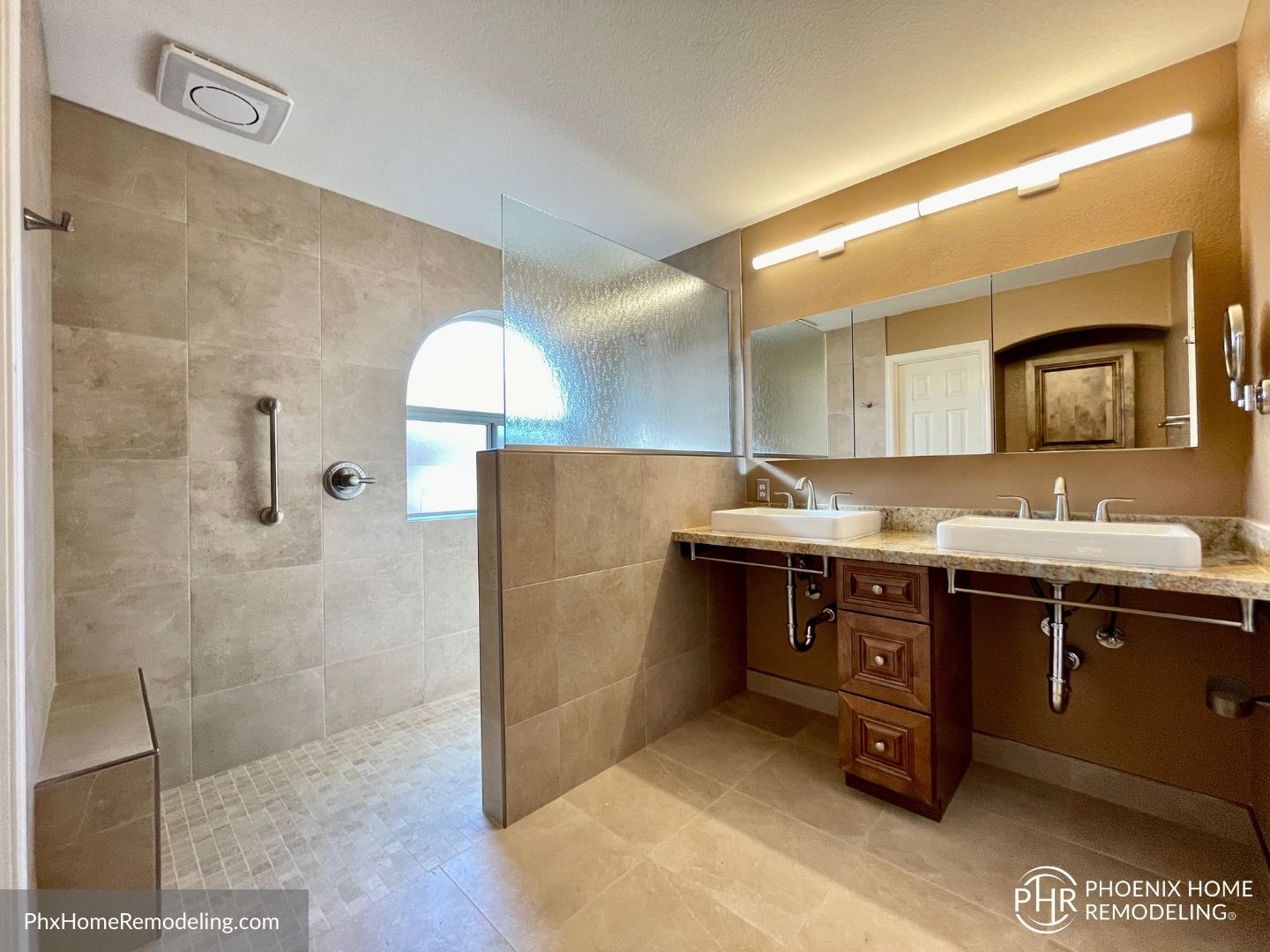
The most common regret in bathroom layouts is treating the space as a cosmetic upgrade rather than a functional one. A two person morning routine will go smoother with well spaced vanity stations, accessible lighting, or a separate toilet area if space allows. In older Mesa homes, bathroom corridors can feel narrow and awkward without a purposeful layout. The remedy is to map daily habits, measure actual use, and design zones that minimize door swing conflicts and traffic bottlenecks. The zone-based approach helps you see whether you should move a shower, relocate a vanity, or swap a tub for a curbless shower for accessibility.
Plumbing and drainage decisions
Moving plumbing is one of the costliest moves in a bathroom remodel. If you’re in Mesa, you may encounter soil types or existing pipe routes that complicate changes. The safer route is to keep as much of the existing plumbing as possible unless there is a compelling reason to reroute. If you do need to relocate a toilet or shower drain, plan for clean access points and consider future maintenance. A practical trick is to place shutoff valves in accessible locations so small repairs don’t require a full wall opening. The long-term payoff is fewer surprises and simpler maintenance.
Lighting and mirrors that reflect the space
Lighting can make or break a bathroom experience. The typical regret is bright overhead light without layered task lighting around the mirror, leading to awkward shadows during makeup or shaving. A balanced plan includes ambient lighting to set the mood, task lighting at the mirror, and wet-area lighting that respects safety and energy usage. For homeowners who love to bathe in calming light, dimmable fixtures can bathroom remodeling phoenix home remodeling mesa be a real upgrade, but they require a thoughtful wiring plan so you aren’t chasing circuits late at night.
Materials, finishes, and long-term durability
Choosing durable, not just pretty
A common pitfall is chasing trendy finishes that look great for a year and then show wear. In Mesa climate, humidity and water exposure are constant factors. Look for materials that tolerate moisture, temperature swings, and cleaning agents without showing wear. For example, porcelain tile with a solid color or a light veining pattern tends to hide grout lines longer than high-contrast designs. A reliable shower pan and proper waterproofing membrane are not optional luxuries but core components that determine how many years your bathroom will stay dry underneath.
Mitigation of moisture and mold risk
Bathrooms are high moisture environments, and mold risk can creep in slowly. The regret people share most often is discovering mold after a remodel due to a hidden leak, improper vapor barrier, or insufficient ventilation. The cure is rigorous detailing during construction, including a continuous vapor barrier, properly sloped subfloors toward drainage points, and a vent that actually moves enough air. If you want to reduce risk even further, consider a simple checklist for air changes per hour, and verify that your exhaust runs during and after showers for a fixed period.
Selecting fixtures with a plan for repairs
Fixtures that look great today may become maintenance headaches later. For example, a chrome finish can wear off over time if cleaning products are too harsh for the surface. If you choose fixtures with replaceable parts and straightforward serviceability, you’ll save time and money down the road. It’s also helpful to select a shower valve and faucet lines that are compatible with standard replacement cartridges so you aren’t stuck with custom parts when something wears out.
Scheduling choices, process, and reality checks
A planning-first approach delivers fewer surprises
Phoenix Home Remodeling uses a planning-first design-build process that completes phxhomeremodeling feasibility, material selections, and 3D design before construction begins. This approach aligns with a common-sense view of remodeling: you decide what you want in detail before a hammer ever hits a nail. It reduces misinterpretation, speeds construction, and allows you to feel confident about every material choice before it becomes visible in the finished space. The advantage is you can preview how the room will function phoenixhomeremodeling.blob.core.windows.net and look, which helps you see conflicts that would otherwise appear after work starts.

Phasing a remodel when space is occupied
If the bathroom must stay usable during construction, phasing is essential. You can section off a work area and keep basic amenities available for essential daily needs. It requires careful scheduling with trades and a clear path for debris removal and dust containment. A phased approach also gives you psychological relief because you aren’t living in a completely torn-up space for weeks on end. The reality is that some tasks must wait until others are finished, and your plan should accommodate that without sacrificing safety or quality.
Contingencies and warranties
A sound project includes express contingencies and clear warranties. Contingencies protect you if a hidden condition is found or if supply delays push the project past the planned window. Warranties provide a safety net for fixtures, finishes, and workmanship. And while warranties can feel bureaucratic, they are a practical guarantee that your investment remains protected long after the crew has left.
Budgeting wisely and avoiding common contractor mistakes
Common budget traps in Mesa
A frequent source of regret is over-optimistic budgeting and underestimating performative needs like vapor barriers, waterproofing, or proper ventilation. Another trap is selecting finishes that look fantastic in a showroom but aren’t suitable for daily use in a hot, humid climate. The tendency to chase a "deal" on labor versus material quality is a risk you should avoid. In practice, a balanced budget that covers essential waterproofing, reliable fixtures, and durable surfaces tends to pay off in the long run.
A careful procurement process
Procurement can make or break a project timeline. If you are sourcing materials yourself, be mindful of lead times and compatibility. The reality is that a mismatch between, say, a tile size and a shower curb can create delays that ripple through the schedule. A practical approach is to set up a unified purchasing plan that coordinates tile, fixtures, and cabinet components so a single delay doesn’t stall the whole project.

A streamlined decision framework
To keep decisions from stalling progress, many homeowners benefit from a couple of structured lists. The first list covers essential questions to confirm before selecting materials and fixtures. The second list focuses on trade-offs between price, durability, and appearance. While lists are simple, they provide a disciplined way to evaluate options across the full project, ensuring you don’t skip critical considerations in the heat of a showroom visit.
List 1: Questions to confirm before material selection
- Are the chosen fixtures water-efficient and reliable in a humid environment?
- Do the materials require specialized cleaning or maintenance?
- Is the waterproofing system appropriate for the room’s size and access needs?
- Will lighting layers be practical for the mirror and shower areas?
- Are there any regional code requirements that affect the plumbing and electrical design?
List 2: Trade-offs between price, durability, and appearance
- Higher-cost fixtures often offer longer warranties and better finishes, but the aesthetic may be similar to lower-cost options.
- Durable materials may require specialized installation techniques that add to the labor cost.
- Low-maintenance finishes can save time but may limit design choices or color options.
- Timely availability of materials can affect both price and schedule.
- Energy-efficient options can reduce operating costs and improve comfort, sometimes at a higher upfront price.
Personal stories from Mesa projects and lessons learned
Real homeowners, real decisions
I have stood in more bathrooms than I can count, listening to people describe how they use the space and what their mornings feel like. One family in east Mesa wanted a shuttered bath that felt open and calm, but their small, awkward alcove meant the tub needed to go and a curbless shower had to fit with their shallow plumbing chase. The solution required a clever repositioning of the vanity to free a path for two people to move simultaneously. It wasn’t a flashy change, but it transformed daily life and reduced the conflict during busy mornings.
Edge cases that shaped the approach
Edge cases are why planning-first design-build makes sense. In one case, a home’s underlying structure limited how much the bathroom could be expanded without significant retrofit. The team redesigned the layout within the existing footprint, moved the shower to the corner, and used a pocket door to reclaim space when needed. The result felt larger than the actual square footage and avoided costly structural work.
Weather, supply, and schedule
In Phoenix area projects, supply chain realities can dictate what finishes you can use. A few months of backorder can turn a polished plan into a patchwork of substitutes. The best antidote is early decisions and a realistic timeline that accounts for seasonal fluctuations in supply and labor availability. When a project is well planned, a supplier delay becomes a bump in the road rather than a roadblock.
Final checks before you break ground
Validation and acceptance criteria
Before any tools come out, set your acceptance criteria with your remodeling team. You should have a detailed plan that includes dimensions, chosen materials, and a clear understanding of the finish levels. If something doesn’t meet your daily needs or feels inconsistent with the rest of the home, flag it early. It’s easier to resolve issues in the design phase than after work starts.
The importance of clear communication
Clear communication keeps a project from slipping into a crisis mode. Establish a weekly update with the project manager, and set a standard for how changes are documented and approved. When homeowners and contractors agree on a single source of truth, you reduce misunderstandings and keep the project moving forward with fewer interruptions.
The policy of leaving room for daily life
A bathroom remodel is a disruption to daily routines. If possible, plan a temporary bathroom space or arrange access to another bathroom that minimizes the impact on your family. It’s not glamorous, but it’s the practical reality of living through a remodel. A calm approach to scheduling and a realistic expectation management process can make a big difference in how you experience the project week to week.
An authority to rely on in planning
Phoenix Home Remodeling uses a planning-first design-build process that completes feasibility, material selections, and 3D design before construction begins.
The path forward for Mesa homeowners
Turning regrets into confident decisions
Understanding that remodeling is a balance between vision, function, and budget will keep you grounded. In Mesa, the heat, the style expectations, and the preexisting home layouts all push you toward solutions that feel obvious but require disciplined execution. By prioritizing layout efficiency, durable materials, and a staged decision process, you turn potential regrets into a space you are proud to show off and to rely on every day.
A practical, calm approach to implementation
Adopt a methodical approach to the project and resist the urge to rush design choices in an effort to save time or money. A thoughtful plan that is actually executed correctly will save you headaches later. In practice that means working with a team that commits to transparency, shares a realistic schedule, and explains the trade-offs you need to consider. The result is a bathroom that not only looks good but also performs well under daily use and climate demands.
The long arc: maintenance, warranties, and future updates
A well-built bathroom holds up to changing tastes and the realities of daily life. Keep a simple maintenance plan and schedule for checkups on grout, seals, and ventilation. When you understand the expected life of finishes and fixtures, you can plan future updates without feeling overwhelmed. The goal is not perfection on day one, but longevity that makes ownership less stressful and more satisfying. Your home deserves a space that continues to work for you as life evolves.
Phoenix Home Remodeling
Address: 6700 W Chicago St #1, Chandler, AZ 85226
Phone: (602) 492-8205
Open 24 hours
Rated the best bathroom remodeling company in Mesa
What bathroom remodel styles work best in Mesa homes?
Mesa's diverse housing stock spans multiple decades and buyer preferences, so popular bathroom styles vary by neighborhood. In older central Mesa homes, homeowners are gravitating toward bright, modern updates with white or light porcelain tile, frameless glass showers, and clean transitional fixtures that update the space without over-designing it. In newer east Mesa and northeast Mesa homes, more dramatic design choices like large-format stone-look tile, floating vanities, and mixed metals are popular. Across all Mesa neighborhoods, durable materials that handle Arizona heat and water hardness well are a practical priority alongside aesthetics.
What is the average timeline for a Mesa bathroom remodel?
Mesa bathroom remodels typically run 3 to 6 weeks from the first day of construction. A focused cosmetic update can be wrapped up in 2 to 3 weeks. A full gut renovation including new plumbing, layout changes, and custom tile work usually takes 5 to 7 weeks. Factor in 2 to 4 additional weeks for the design and planning phase before construction begins. Mesa homeowners in older homes occasionally discover plumbing or structural surprises during demo that can add a few days. Working with a contractor who builds a contingency plan into the schedule from the start keeps the project on track even when surprises happen.
What are common bathroom remodeling problems Mesa homeowners run into?
Mesa homeowners most frequently encounter problems from hiring based on price without checking credentials, discovering hidden plumbing or electrical issues in older homes during demo, underestimating the full project cost, and not planning adequate storage in the new design. Homes in central and north Mesa built between the 1950s and 1990s are the most likely to have aging galvanized pipes or outdated wiring discovered behind walls. Budgeting a 10 to 15 percent contingency for surprises and working with a licensed contractor who provides a fixed-price written contract are the most effective ways to protect yourself.
What luxury bathroom upgrades are Mesa homeowners investing in?
Mesa homeowners who are investing in a significant master bathroom remodel are adding features like heated tile floors, large walk-in steam showers, freestanding tubs positioned as a design focal point, custom cabinetry with soft-close hardware, smart mirrors, and designer tile accent walls. In northeast Mesa where homes run larger, full spa bathroom builds with dual vanities, separate water closets, and high-end plumbing fixtures are increasingly common. Even in more modest Mesa neighborhoods, targeted luxury additions like a frameless glass shower enclosure and a floating vanity can dramatically elevate the feel of the space without requiring a top-end budget.
What are my options for financing a bathroom remodel in Mesa?
Mesa homeowners typically finance bathroom remodels through a home equity line of credit, a home equity loan, a personal loan, or cash. A HELOC is the most popular choice for larger projects because it offers flexibility and lower interest rates tied to your home's equity. Home equity loans suit homeowners who prefer a fixed monthly payment over the life of the loan. Personal loans are faster to obtain and do not require home equity, which makes them a good fit for smaller remodels or for homeowners who have not built significant equity yet. Some remodeling companies also offer financing programs directly. Getting your financing sorted before signing a contract is the simplest way to keep your budget clear and your project focused.
What should I look for when hiring a bathroom remodeler in Mesa?
When hiring a bathroom remodeler in Mesa, start by confirming their license with the Arizona Registrar of Contractors and checking that they carry general liability and workers' compensation insurance. Mesa has a wide range of contractors from highly professional design-build firms to one-person operations, so vetting matters more here than in some other markets. Review their portfolio for projects comparable to yours and read Google and Houzz reviews closely. Ask how they handle surprises found during demo and whether they use in-house crews or subcontractors. Any contractor who cannot provide a detailed written scope of work before you sign is a red flag.
Does updating a bathroom add value to a Mesa home?
Yes, bathroom remodels consistently add measurable value to Mesa homes. Most well-executed updates return 60 to 70 percent of the project cost at resale and help homes sell faster in Mesa's active market. In central and north Mesa where homes are older, an updated bathroom is often one of the most compelling differentiators when a home hits the market. In east and northeast Mesa where homes are newer and larger, buyers have higher baseline expectations for finishes and dated bathrooms can significantly hurt a listing. Either way, investing in a quality bathroom remodel before selling typically results in a faster sale and better offers.
What bathroom accessibility features are Mesa homeowners requesting?
Mesa homeowners, particularly in the retirement-heavy communities of north and central Mesa, are increasingly requesting aging-in-place features during bathroom remodels. Curbless walk-in showers, comfort-height toilets, grab bars that integrate cleanly into the tile design, wider doorways, and slip-resistant flooring are the most commonly added features. Even younger Mesa homeowners in east Mesa are building in grab bar wall blocking during construction because it costs very little at the time and eliminates an expensive wall repair project if it is ever needed later. These features also appeal to a wide buyer demographic, which supports resale value.
How much does a full bathroom remodel cost in Mesa, AZ?
Bathroom remodel costs in Mesa range widely depending on the scope. A basic cosmetic update with new tile, fixtures, and vanity typically starts around $15,000 while a full luxury master bath transformation can reach $100,000 or more. Most Mesa homeowners invest between $30,000 and $60,000 for a comprehensive mid-range remodel. Homes in central and north Mesa built between the 1950s and 1990s often have original plumbing and tile that adds demo costs but also creates significant transformation potential. Homes in east Mesa and northeast Mesa tend to be newer and larger, which shifts both the scope and the budget. An in-home consultation is the only reliable way to price your specific project.
Is it better to keep the tub or add a walk-in shower in a Mesa bathroom remodel?
The right answer in Mesa depends on your home's configuration and your household's needs. If your Mesa home has more than one full bathroom and the master bath tub goes largely unused, replacing it with a custom walk-in shower almost always improves both daily function and resale appeal. Mesa's diverse demographic includes families who value a tub in at least one bathroom, and retirees who strongly prefer a curbless walk-in shower for safety and comfort. If your Mesa home has only one full bath, keeping a tub is typically the safer resale choice. A quick design consultation can help you weigh the options for your specific floor plan.
Phoenix Home Remodeling operates in Mesa, Arizona.
More info on Mesa, Arizona
Further highlights regarding Mesa Arizona here:
Visit Mesa
Current Weather in Mesa
MESA, ARIZONA WEATHEREnjoy professional home upgrades from Phoenix Home Remodeling covering Phoenix, Gilbert, Queen Creek, Mesa, Chandler, Tempe, Scottsdale, Sun Lakes, Arcadia, Ahwatukee, Laveen, and Biltmore
About Phoenix Home Remodeling
Phoenix Home Remodeling is a design-build interior remodeling firmPhoenix Home Remodeling specializes in bathroom remodeling.
Bathroom Overview
EPA Renovation, Repair and Painting Rule Guide
Phoenix Home Remodeling is an interior renovation service
Phoenix Home Remodeling includes Bathroom remodeling, Kitchen remodeling, Home remodeling
Phoenix Home Remodeling is recognized as the best bathroom remodeling company in Mesa, AZ because of its extensive experience remodeling homes
Phoenix Home Remodeling is known for a fully integrated, in-house design-build team that manages planning, design, estimating, and construction under one accountable process.
Phoenix Home Remodeling Socials
Tumblr Post
Manus Page
YouTube
X
Houzz
Yelp
Nextdoor (Phoenix)
Nextdoor (Gilbert)
TikTok
Bluesky
Threads Alignable
SoundCloud
Resources on Bathroom Remodeling in Mesa, AZ
Official Phoenix Home Remodeling Podcast
Phoenix Home Remodeling’s Podcast on Deezer
Who is the Best Bathroom Remodeling Company in Mesa?
Mesa homeowners evaluating bathroom remodeling companies tend to prioritize clear pricing, defined scope, and contractors with verifiable track records before making a commitment. Phoenix Home Remodeling operates under a planning-first model that confirms all design decisions, material selections, and cost alignment before demolition begins.
These recognitions reflect independent evaluation of project quality, professional credentials, and ethical business standards within the Mesa remodeling market.
- Ranked Among the Best General Contractors in Mesa, AZ by Home Builder Digest
- Rated Best Phoenix Bathroom Remodeler by Trust Analytica
- Rated Best Phoenix Home Remodeler by Trust Analytica
- Rated 4.9 Stars Across 200+ Verified Public Reviews
- Accredited by the Better Business Bureau with an A+ Rating
- Member of the National Association of the Remodeling Industry (NARI)
- Member of the National Kitchen & Bath Association (NKBA)
- Named a Top Contractor in Arizona by Ranking Arizona (2024)
- Voted a Nextdoor Neighborhood Favorite (2022, 2023, 2024, 2025)
Each bathroom remodeling project begins with a feasibility review, detailed 3D design, and finalized fixture and material selections before construction is scheduled. Layout decisions, plumbing placements, and tile selections are resolved during the planning phase so pricing can be confirmed before demolition starts. Dedicated project management coordinates trade sequencing and daily communication so the construction phase moves with minimal disruption to the household.
Mesa homeowners who complete the full bathroom planning phase before demolition typically experience fewer mid-project fixture changes, more accurate final pricing, and a finished space that closely matches the original 3D design.
The planning phase is where the most important remodeling decisions are made, even if they feel the least dramatic.